
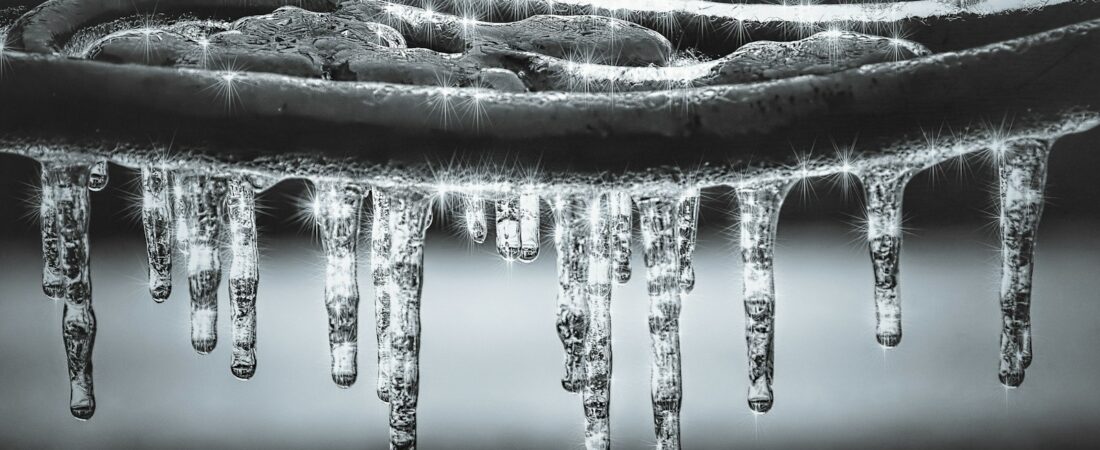
- Pipes in unheated spaces and outside walls freeze first
- Let faucets drip and open cabinet doors on very cold nights
- Keep the heat at 55°F or higher when you travel
- Never thaw a pipe with an open flame
A frozen pipe is more than an inconvenience. Water expands as it freezes, and the pressure can split a pipe. The real damage often happens hours later, when the ice thaws and water pours into walls, ceilings and floors.
The good news is that most frozen pipes are preventable.
Which pipes are most at risk
- Pipes in unheated spaces such as crawl spaces, garages and attics
- Pipes that run along exterior walls, especially under kitchen and bathroom sinks
- Outdoor hose bibs and sprinkler lines
- Pipes in homes left empty during a cold spell
The risk rises sharply when outdoor temperatures fall into the low 20s Fahrenheit or below, especially for several nights in a row.
Before winter arrives
- Disconnect garden hoses and shut off and drain outdoor faucets if they have an indoor shut-off valve.
- Insulate exposed pipes with foam pipe sleeves from a hardware store. They are inexpensive and easy to fit.
- Seal gaps where pipes enter the house and around crawl space vents.
- Know where your main shut-off valve is, so you can stop the water quickly if a pipe bursts.
On very cold nights
- Let cold-water faucets on outside walls drip slightly. Moving water is less likely to freeze.
- Open kitchen and bathroom cabinet doors so warm air reaches the pipes.
- Keep the garage door closed if there are water lines in the garage.
- Keep your thermostat at the same temperature day and night.
When you travel
Keep the heat set to at least 55°F. Ask a neighbor to check the house if a deep freeze is forecast. For longer trips, consider shutting off the main water valve and draining the pipes.

If a pipe freezes
You turn on a faucet and only a trickle comes out. Here is what to do:
- Keep the faucet open. As the ice melts, running water helps melt the rest.
- Warm the pipe slowly with a hair dryer, a heating pad or towels soaked in hot water. Start near the faucet and work back toward the frozen section.
- Check other faucets. If one pipe is frozen, others may be too.
- If you cannot reach the frozen area or cannot thaw it, call a licensed plumber.
Never use a torch, a propane heater or any open flame to thaw a pipe. It is a serious fire risk and can damage the pipe.
If a pipe bursts
Shut off the main water valve right away, switch off electricity to the wet area if it is safe to do so, and call a plumber. Then follow our guide to what to do in the first hour of water damage.
24/7 emergency plumbing & water cleanup
- Available 24 hours a day, 7 days a week, including holidays
- Cleanup and restoration, plus repair of the problem that caused it
- Residential and commercial
- 10% off emergency plumbing repair with any restoration service
Offer details are set by the advertiser and may change. Service area and availability apply.