
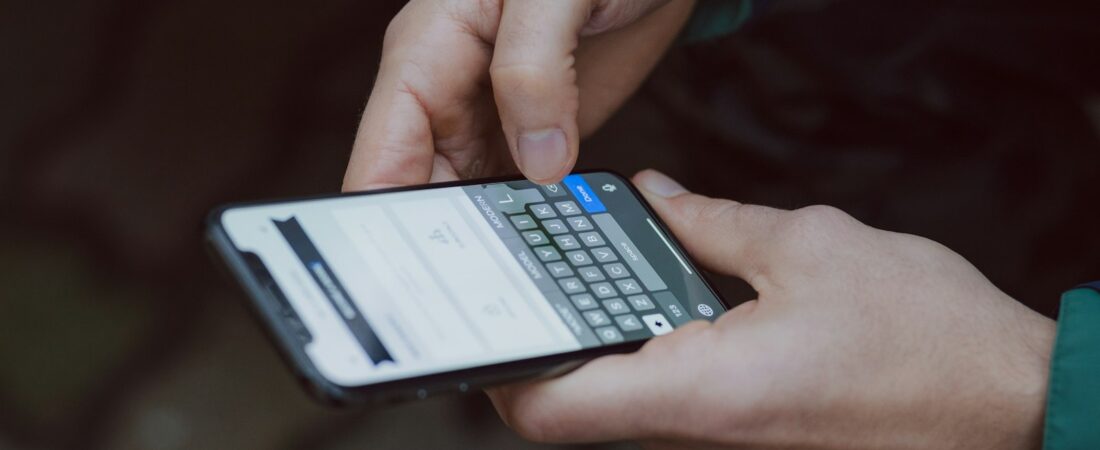
- Do not click links in unexpected delivery texts
- No real business or agency asks to be paid in gift cards
- Check a website carefully before entering card details
- Report scams at ReportFraud.ftc.gov
Scammers know that November and December are the busiest shopping months of the year, and they plan accordingly. Here are the most common holiday scams and how to stay safe.
1. Fake delivery texts and emails
You get a text saying a package could not be delivered, with a link to “reschedule” or pay a small fee. The link leads to a fake site that steals your card details.
How to stay safe: do not click links in unexpected delivery messages. Go directly to the carrier’s website or app and enter your tracking number. USPS says it will not text or email you with a link unless you signed up for tracking updates. You can forward suspicious texts to 7726 (SPAM).
2. Gift card payment requests
A caller or message claims to be from a utility company, a government agency or even a family member in trouble, and asks you to pay with gift cards.
How to stay safe: no legitimate business or government agency will ever ask you to pay with gift cards. If someone does, it is a scam.
3. Copycat online stores
Fake stores advertise popular products at very low prices on social media. The website looks real, but the products never arrive.
How to stay safe:
- Type the store’s web address yourself instead of clicking ads.
- Look for a real contact page, a physical address and a clear return policy.
- Search the store name with the word “reviews” or “scam”.
- Pay with a credit card, which usually offers stronger fraud protection.
4. Fake charities
Around Giving Tuesday and the end of the year, scammers set up fake charities or pose as real ones.
How to stay safe: give directly through the charity’s own website. You can check a charity on sites such as Charity Navigator or the BBB Wise Giving Alliance.
5. Too-good-to-be-true deals
A brand-new phone or game console for a fraction of its normal price is almost always a scam, especially from a seller you do not know.
If you have been targeted
- Contact your bank or card issuer right away and dispute the charge.
- Change passwords for any accounts you may have exposed.
- Report the scam to the Federal Trade Commission at ReportFraud.ftc.gov.
Keep reading: Holiday 2026 shopping calendar and Christmas on a budget.